



As temperatures drop and furnaces start running, Community Homeworks is joining the National Carbon Monoxide Awareness Association (NCMAA) in bringing attention to the dangers of carbon monoxide (CO) in homes during Carbon Monoxide Awareness Month this November.
Each year, our team works with households across Kalamazoo County to educate families about the risks of CO exposure and to assist with identifying and addressing leaks before they become dangerous.
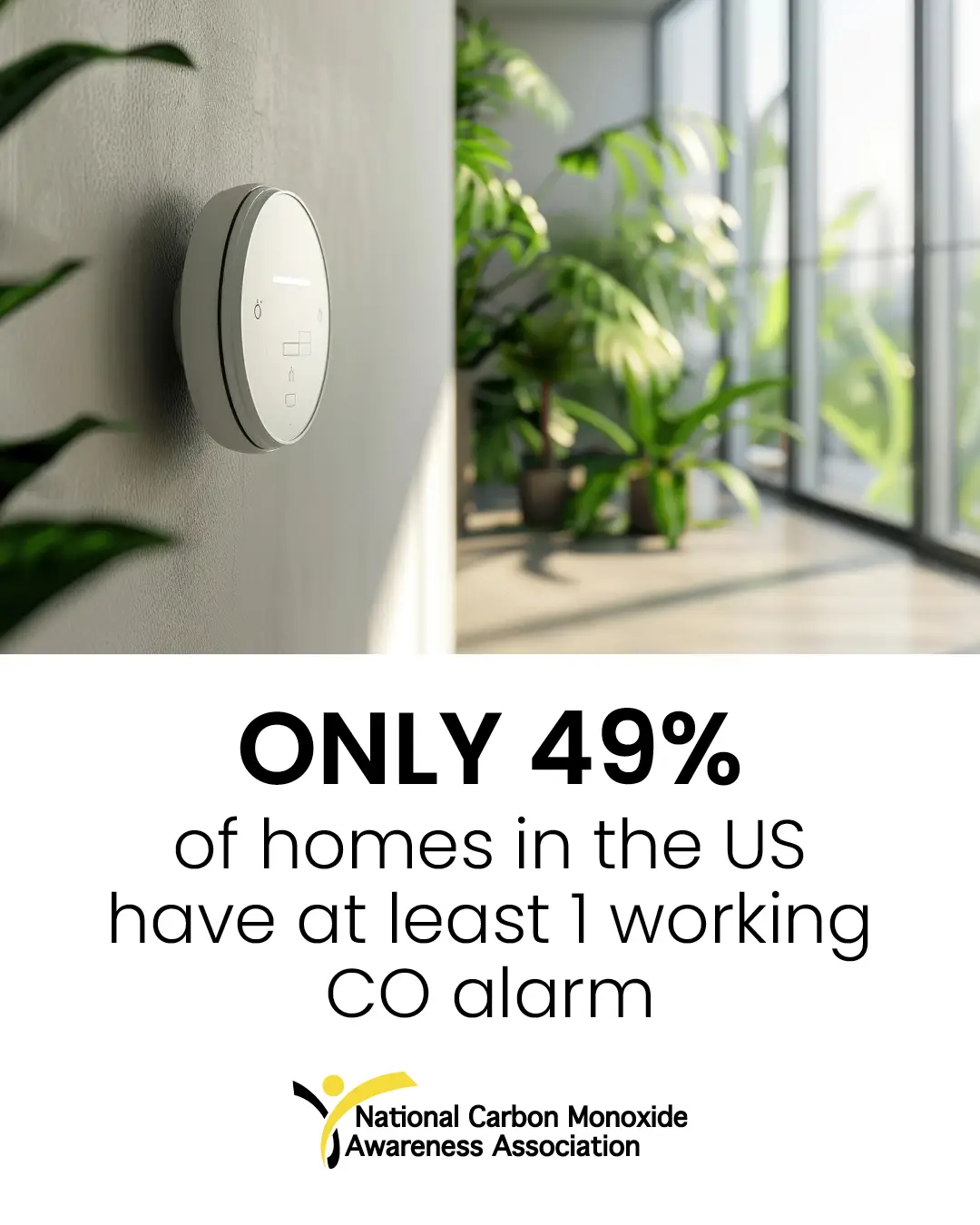
According to the NCMAA, “Every year in the U.S., over 100,000 people visit emergency rooms due to CO exposure, with more than 1,200 lives lost to this preventable hazard. Yet, only about half of U.S. families have functioning CO alarms in their homes, making awareness and prevention absolutely critical.”
The Silent Danger
Carbon monoxide is a toxic gas produced by fuel-burning devices such as furnaces, fireplaces, water heaters, generators, grills, and vehicles. Unlike fire or smoke, CO has no color, odor, or taste — making it virtually impossible to detect without an alarm.
Exposure to CO can cause both immediate and long-term health effects. High concentrations can be fatal within minutes, while prolonged low-level exposure can lead to chronic health issues. Despite these dangers, many states still do not require CO alarms in homes, hotels, schools, or other buildings where people live or gather — leaving countless individuals unknowingly at risk.
Recognize the Symptoms of CO Poisoning
- Headache, nausea, or vomiting
- Dizziness or confusion
- Shortness of breath
- Weakness, fatigue, or blurred vision
- Drowsiness, loss of muscle control, or unconsciousness
If you suspect CO exposure, leave the area immediately, seek fresh air, and call 911. If you and your family do not have working smoke or CO detectors in your home, give our team a call.
How to Protect Yourself and Your Family
1. Install CO Alarms
Place CO alarms in your home, garage, or workspace — especially near sleeping areas and any fuel-burning appliances.
2. Bring a Portable CO Alarm When Traveling
Most hotels and short-term rentals are not required to have CO alarms. A small travel unit can provide life-saving protection.
3. Learn the Sounds
CO alarms beep four times in a row; smoke alarms beep three times. Knowing the difference can save lives.
4. Test and Maintain Alarms
Check alarms monthly, replace batteries as needed, and follow the manufacturer’s replacement schedule.
5. Get Annual Inspections
Have your furnace, chimney, and fireplace professionally inspected and cleaned each year.
6. Use Generators Safely
Keep portable generators at least 20 feet away from buildings. Never operate them indoors or in enclosed spaces.
7. Never Use Gas Ovens for Heat
Gas stoves and ovens should never be used to warm your home.
8. Ventilate Your Garage
Never run a vehicle inside a closed or partially open garage. Always back it out immediately after starting.
9. Keep Exhaust Vents Clear
Ensure that all appliance vents and vehicle tailpipes are unobstructed by snow, ice, or debris.
By taking these precautions, families can dramatically reduce their risk of CO poisoning and ensure their homes remain safe throughout the heating season.